

A family postpones purchasing a new car because they are uncertain about future income. Another household reduces restaurant visits while continuing to spend on essential groceries. These individual decisions may appear insignificant, but together they can influence business revenue and broader economic activity. Anyone interested in stock trading should understand how consumer confidence can affect financial market expectations.
Consumer confidence surveys measure how households feel about their financial circumstances and the wider economy. Their results can provide early clues about potential spending changes. However, interpreting these reports requires more than assuming that optimistic consumers will automatically support higher stock prices.
Understand What Consumer Confidence Measures
Consumer confidence surveys ask households about their current financial situations, employment prospects, and expectations for future economic conditions. Research organizations combine these responses into indicators that help economists evaluate changes in household sentiment.
Traders following an economic calendar can identify scheduled survey releases and compare results with market forecasts. However, confidence indicators reflect opinions rather than confirmed spending. Actual household behavior may differ from what respondents expect when completing questionnaires.
Explore Connections With Retail Spending
Consumer spending supports businesses across retail, hospitality, transportation, and other industries. When households become more optimistic about employment and income, they may feel more comfortable making discretionary purchases.
However, improved confidence does not guarantee immediate spending growth. Rising borrowing costs, existing debt, and household savings can influence purchasing decisions. Traders should therefore compare survey findings with retail sales data rather than treating sentiment as direct evidence of stronger business performance.
Distinguish Essential And Discretionary Purchases
Not every business responds equally to changes in consumer confidence. Companies providing groceries, household necessities, or essential services may experience more stable demand than businesses selling luxury products or expensive recreational experiences.
Discretionary businesses can be more sensitive to household financial expectations. Nevertheless, individual company performance also depends on pricing, competition, and operating expenses. Understanding these differences helps traders avoid assuming that changes in consumer sentiment affect every industry identically.
Examine Employment Expectations Carefully
Employment security plays an important role in household spending decisions. Consumers who fear losing their jobs may postpone large purchases, even when their current income remains unchanged.
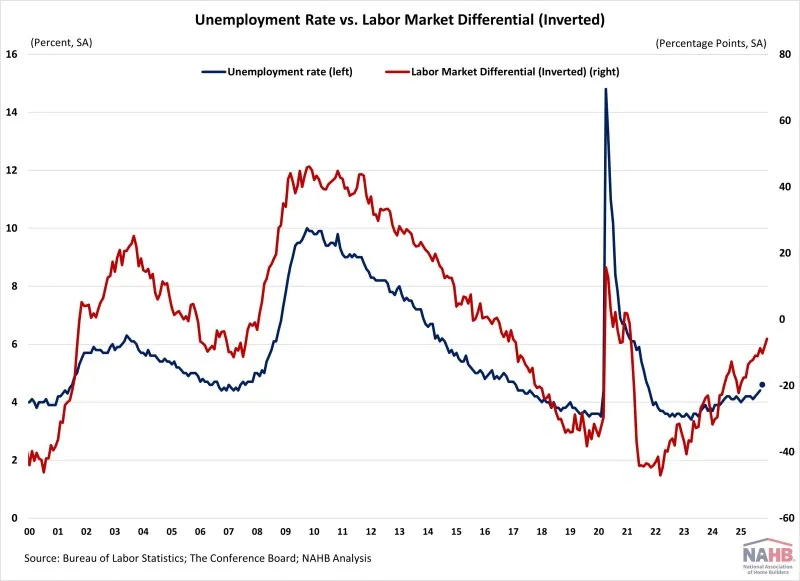
Survey questions about employment prospects can therefore provide useful context for economic research. However, sentiment may change before official employment statistics reflect similar developments. Traders should examine multiple sources rather than interpreting one survey result as confirmation of a deteriorating labor market.
Recognize The Influence Of Inflation
Inflation affects how much households can purchase with their available income. Rising food, energy, and housing expenses may reduce discretionary spending and weaken confidence, particularly when wages do not increase at a comparable rate.
Nevertheless, falling inflation does not automatically produce immediate optimism. Consumers may continue facing elevated price levels despite slower increases. Understanding the distinction between inflation rates and actual living costs helps explain why household sentiment sometimes improves gradually.
Compare Expectations With Published Results
Financial markets respond partly to whether economic information differs from expectations. A consumer confidence reading may increase compared with the previous month but still disappoint investors who anticipated a stronger improvement.
Traders should examine the difference between forecasts and reported figures alongside broader market conditions. An unexpected decline may influence economic growth expectations, but it does not guarantee falling stock prices. Interest rate expectations and company-specific developments can create competing influences.
Recognize The Limitations Of Surveys
Consumer confidence indicators contain valuable information, but they also have limitations. Survey responses can be influenced by recent headlines, political developments, household circumstances, and temporary economic concerns.
Different organizations may use distinct questions, samples, and calculation methods. Comparing results from unrelated surveys therefore requires caution. Traders should focus on understanding the methodology and reviewing changes over time rather than treating one headline figure as a complete economic assessment.
Conclusion
Consumer confidence reports provide insight into household expectations, spending intentions, and potential changes in economic activity. Understanding their relationship with employment, inflation, and different business sectors can help traders interpret stock market developments more carefully. Educational information and market resources available through tradewill.com may support further financial research. Nevertheless, survey results cannot guarantee future company performance or profitable trading outcomes. Independent analysis, realistic expectations, and disciplined risk management remain essential when evaluating financial markets.